American Football Sign Laser Cut: A Designer's Hands-On Review
When I first opened the zip folder for the American Football Sign Laser Cut design, I was curious how a laser cutting file would translate into the embroidery world. As someone who spends most days hopping between machine embroidery design, applique development, and custom apparel projects, I have learned that a good digital file is only half the story. The real test comes when thread meets fabric. This review is written from the standpoint of a designer who has stitched out hundreds of embroidery files, prepped countless tote bags, and helped clients turn digital products into sellable handmade goods. I want to give you a realistic sense of what this design offers, where it shines, and where you need to be careful.
First Impressions: What the Design Brings to the Hoop
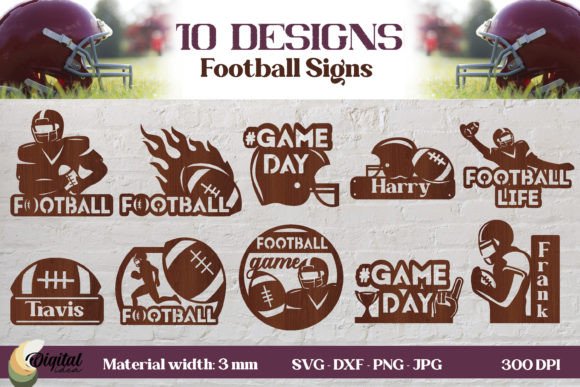
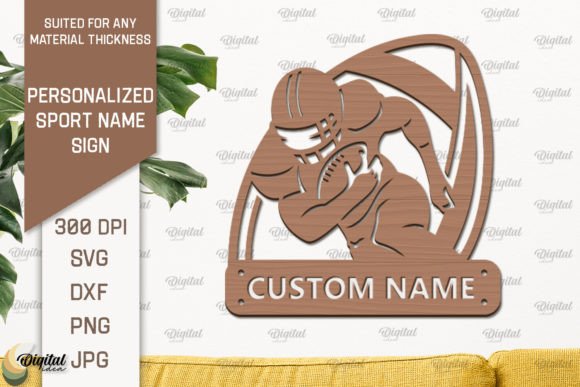
The American Football Sign Laser Cut has a clean, bold silhouette that immediately reads as sporty and classic. The shape is unmistakable, and the layout is simple enough that it does not rely on tiny details to carry the theme. That is a strong advantage for embroidery. Designs that depend on ultra-fine lines or crowded lettering often lose clarity once stitched, especially on textured fabrics or smaller hoop sizes. This one avoids that trap. The visual personality is confident, masculine, and straightforward. It would feel right at home on a custom sweatshirt, a game-day tote bag, or a personalized gift for a player or coach.
Because this is a laser cutting file, the original format is likely optimized for crisp edges and clean interior cutouts. When you bring that into an embroidery workflow, you need to think about how the satin stitch or fill stitch will handle those same shapes. From what I see, the contours are generous enough that a standard machine embroidery design can follow them without excessive stitch density or thread breaks. That is a good sign for anyone planning to sell finished products or use it in a commercial embroidery setting.
Real-Life Scenario: Stitching a Custom Tote Bag for a Team Mom
Let me walk you through a real project so you can see how this design behaves in practice. A client asked me to create a custom embroidered tote bag for a football team mom who wanted something more personal than a generic logo. I decided to use the American Football Sign Laser Cut as the centerpiece, paired with the player's name and jersey number in a complementary font. I hooped a medium-weight canvas tote, used a tear-away stabilizer, and chose a bright team color thread for the main shape.
The stitching process was smooth. The design did not require excessive underlay, and the fill stitches covered the area evenly without puckering. The satin stitch around the outer edge gave it a clean, almost applique-like finish that looked professional. The client loved it, and the tote became a hit at the next game. I have since stitched the same design onto a sweatshirt and a cap, and each time it held up well. The American Football Sign Laser Cut has a versatility that makes it easy to reposition across different products without losing its visual punch.
Where the Design Performs Best
In my experience, this design works especially well on medium to heavyweight fabrics. Here are some products where it naturally fits:
- Custom apparel: Sweatshirts, t-shirts, and hoodies are obvious choices. The bold shape stands out on a chest or back placement.
- Tote bags and aprons: The sporty theme pairs well with canvas or denim. These also make great personalized gifts for coaches or players.
- Embroidered patches: Because the design has a clear outer boundary, it is easy to stitch as a patch and then apply to jackets, backpacks, or caps.
- Pillow covers and blankets: For a more decor-focused product, the football sign adds a subtle team spirit without being overwhelming.
- Holiday gifts: I have seen this used on Christmas stockings and gift bags for football fans, and it works because the shape is instantly recognizable.
- Small shop merchandise: If you are an Etsy seller or craft business owner, this design can be a reliable addition to your product lineup. It appeals to a specific audience, but that audience is loyal and often looking for unique, non-licensed options.
For digital product sellers, the American Football Sign Laser Cut also works well as a printable mockup element. You can layer it onto a blank product photo to show potential buyers how the finished item might look. That kind of visual clarity builds trust and helps customers imagine the final product.
Where to Use Careful Judgment
No design is perfect for every surface, and this one has limitations worth noting. The most important factor is hoop size. Because the design is a sign shape, it has a defined width and height that may not fit in a small hoop. If you are working with baby embroidery, caps, or other small items, you need to check the dimensions before committing. Scaling down too much can make the shape lose its impact and cause the stitching to become dense in a way that distorts the fabric.
Other situations where I recommend extra caution:
- Thin or stretchy fabric: The fill stitches in this design can pull on lightweight knits. Use a cutaway stabilizer and test on a scrap piece first.
- Dark fabric: If you are stitching with light thread on a dark background, make sure the underlay is sufficient to prevent the fabric from showing through. A white or light thread color may need a second pass or a denser stitch.
- Curved surfaces like caps: The shape is not inherently curved, so you may need to adjust the design or use a hoop that allows for some flexibility. I have had success by reducing the stitch density slightly and using a floating method.
- Frequent washing: If the finished product will be washed often, such as a kitchen towel or a baby blanket, consider using a polyester thread and a heavy-duty stabilizer. The design itself is sturdy, but the fabric underneath needs to support it.
Visual Appeal, Stitching Clarity, and Customer Trust
One of the things I appreciate about the American Football Sign Laser Cut is how it affects the overall presentation of a product. Embroidery adds a tactile, premium feel that screen printing cannot match. When a customer receives a handmade item with a clean, well-stitched design, they perceive higher value. That translates into better reviews, repeat business, and stronger brand consistency.
The stitching clarity here is strong. The design does not have tiny lettering or overly complex curves, so the thread paths are easy to follow. That means fewer thread breaks, less re-hooping, and a more consistent finished product. For anyone running a commercial embroidery operation, that efficiency matters. It also means the design is accessible to hobbyists who may still be learning how to adjust tension and stabilizer choices.
From a giftability standpoint, this design works for both personal and commercial projects. A custom embroidered sweatshirt with a football sign is a thoughtful present for a father, brother, or friend who loves the sport. It feels personal without being tied to a specific team, which is a smart move for makers who want to avoid licensing issues.
Practical Embroidery Designer Notes
Before I integrate any new embroidery file into my workflow, I run through a few checks. Here is what I recommend for the American Football Sign Laser Cut:
- Test on scrap fabric first. Always. This is not optional. Stitch it out on a fabric similar to your final product so you can see how the thread behaves and whether the density is appropriate.
- Check thread color contrast. The design relies on a clear silhouette. If your thread color is too close to the fabric color, the shape will blend in and lose impact. Use a contrasting color or a metallic thread for extra pop.
- Review stitch density. If the design feels too dense when you preview it, reduce the density slightly or switch to a lighter fill stitch. This is especially important for caps and small hoops.
- Confirm hoop size. Measure the design dimensions against your available hoops. Do not assume it will fit in a 4x4 unless the file specifically says so.
- Inspect small details. If there are any interior cutouts or narrow gaps, make sure they are wide enough to be stitched cleanly. Narrow gaps can fill in with thread and lose definition.
- Test in black and white mockups. This helps you see the design's structure without color distraction. If it looks good in grayscale, it will likely look good in color.
- Compare light and dark fabric backgrounds. The same thread color can look very different on a white t-shirt versus a navy hoodie. Test both if you plan to offer multiple color options.
- Use proper stabilizer. For most projects, a medium-weight cutaway stabilizer works well. For stretchy or thin fabrics, use a heavier stabilizer and consider a topper.
- Confirm licensing before selling. Since this is a digital product, check the license terms included in the zip folder. Some files allow commercial use, others restrict it. Make sure you know what you are allowed to do before listing finished items or the digital file itself.
How This Design Fits Into a Craft Business
For Etsy sellers, small shop owners, and creative entrepreneurs, the American Football Sign Laser Cut offers a reliable option for a niche audience. Football fans are passionate, and they appreciate products that show attention to detail. Whether you are making a one-off personalized gift or producing a small batch of embroidered tote bags for a craft fair, this design gives you a clean, professional look that customers will notice.
I have also used it as a design asset in printable mockups for digital product listings. The shape is easy to layer onto blank product photos, and it helps potential buyers visualize the finished item. That kind of clarity can improve click-through rates and reduce the number of questions about what the final product will look like.
Final Thoughts on the American Football Sign Laser Cut
As a designer who has worked with hundreds of embroidery files, I can say that the American Football Sign Laser Cut is a solid addition to any maker's library. It is not overly complex, which is a strength in the embroidery world. It translates well across different fabrics and product types, and it has a clear visual identity that appeals to a specific audience. The key is to test it thoroughly, choose the right stabilizer and thread, and be mindful of hoop size and fabric choice.
If you are an embroidery designer, small business owner, or hobbyist looking for a sporty, clean design that works for both personal and commercial projects, this one is worth your time. Just remember that the digital file is the starting point. The real magic happens when you pair it with good materials, careful stitching, and a thoughtful product idea. That is where the value lives, and that is what your customers will remember.