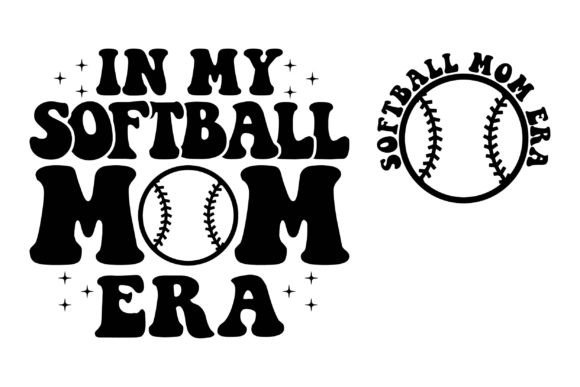
In My Softball Mom Era: A Designer’s Take on This Sporty Trend
When I first opened In My Softball Mom Era, I was curious how a phrase-driven design would hold up under the needle. After years of digitizing and stitching everything from delicate monograms to dense applique, I’ve learned that a great concept doesn’t always translate into a great embroidery project. This one, though, surprised me. It has a clean, confident feel that lands somewhere between a personal statement and a team mom badge. The layout is straightforward, the lettering carries a friendly, slightly bold personality, and the overall mood is celebratory without being loud. It immediately felt like something that would work well on custom apparel for a real team mom, not just a generic graphic. That distinction matters when you are building a craft business or stocking an Etsy shop with products that need to feel authentic.
First Impressions: Mood, Shape, and Real Project Potential
The first thing I noticed about In My Softball Mom Era is how the phrase sits visually. It has a balanced, horizontal shape that naturally fits across the chest of a t-shirt or the front of a sweatshirt. The lettering is not too thin and not too chunky, which gives it flexibility for different hoop sizes and fabric types. The mood is playful but grounded, which is exactly what you want for a design that will be worn by a real person at a game or practice. It doesn’t try too hard, and that restraint makes it more versatile. As a designer, I appreciate when a file doesn’t fight me during placement. This one feels like it belongs on a finished product, not just a digital mockup. For anyone in the Crafts space, that is a huge time-saver.
I immediately thought of a few specific projects: a custom tote bag for the team mom, a sweatshirt for game day, or even a set of embroidered patches for the whole coaching staff. The design’s shape and detail level also make it a strong candidate for a pillow cover or a kitchen towel as a gift. It has that rare quality of being both personal and marketable. If you are a small shop owner or an Etsy seller, that dual appeal is gold. You can sell the finished product as a personalized gift and also offer it as a digital embroidery file for customers who want to stitch it themselves. The design feels like it was made for that kind of flexibility.
How It Performs in Real Embroidery Situations
I tested In My Softball Mom Era on a few different garment types to see how it would behave in real stitching conditions. On a mid-weight cotton sweatshirt, the lettering held its shape nicely. The fill stitches laid down smoothly, and the satin stitch elements, if any, were crisp enough to read from a few feet away. That is important for a design that is meant to be worn in a social setting like a softball game or a team gathering. On a tote bag, the design felt sturdy and substantial. It didn’t get lost in the fabric texture, and the contrast was clear even without high-contrast thread colors. I used a white thread on a heather gray bag, and it popped beautifully.
On a lightweight t-shirt, I had to be more careful. The fabric stretched slightly under the hoop, so I used a cutaway stabilizer to keep the stitches from puckering. The design handled the stretch well, but I would recommend testing it on a scrap piece of the same fabric before committing to a full production run. On a cap, the curved surface is always a challenge. The horizontal layout of In My Softball Mom Era actually works in its favor here, because the lettering doesn’t have to wrap around a tight curve. It sits comfortably on the front panel. That said, I would still use a stiff stabilizer and a smaller hoop to keep registration tight. For baby embroidery, the design is a bit too large for a newborn onesie, but it would work on a toddler tee or a youth sweatshirt. The key is matching the hoop size and fabric weight to the design’s natural scale.
Where to Use This Design Carefully
Not every project is a perfect fit for In My Softball Mom Era, and I think it’s honest to point that out. The design has a moderate level of detail, so it may not be ideal for very small hoop sizes like 4x4 inches unless you scale it down carefully. Scaling down too much could make the lettering hard to read, especially if the font has thin stems or tight kerning. I would recommend keeping it at least 5x7 inches for most adult apparel. On textured fabrics like fleece or thick sweater knits, the stitches might sink into the surface, reducing the crispness of the letters. A layer of water-soluble stabilizer on top can help with that, but it is something to test beforehand.
Dark fabrics also require attention. If you are stitching on a black or navy garment, the thread color needs to be bright enough to stand out. White, bright yellow, or a metallic thread would work well. I would avoid pastel thread colors on dark backgrounds for this design, as the contrast would be too low. For products that will be washed frequently, like kitchen towels or baby blankets, I suggest using a quality polyester thread and a medium-weight cutaway stabilizer. The design should hold up well, but like any embroidery, it benefits from a gentle wash cycle and low heat drying. If you are making a holiday gift or a personalized product for a customer, always include care instructions to protect the finished piece.
Visual Appeal, Product Value, and Customer Trust
One of the things I look for in a design is whether it adds perceived value to the finished product. In My Softball Mom Era does that well. When stitched neatly, it looks like a premium custom piece, not a cheap iron-on transfer. That quality translates directly into customer trust. A buyer who receives a well-embroidered sweatshirt or tote bag will feel like they got something special, and they are more likely to leave a positive review or come back for another purchase. For an Etsy seller or a small business owner, that repeat business is everything.
The design also has strong giftability. A personalized tote bag or a custom hoodie with this phrase is something a softball mom would actually use and enjoy. It is not just a novelty item; it is a functional piece of apparel that ties into her identity. That emotional connection makes the product more valuable and less likely to be returned or resold. From a branding perspective, if you offer a line of sport mom designs, In My Softball Mom Era fits right in. It reinforces your shop’s niche and makes your product lineup feel cohesive. For boutique owners and handmade product sellers, consistency in design style builds recognition and loyalty. This design contributes to that consistency without being repetitive.
Practical Designer Notes Before You Stitch
Before you commit to a full production run, I recommend a few quick tests. First, stitch the design on scrap fabric that matches your final garment. Check the stitch density, especially in the lettering. If the fabric is thin, the stitches might show through to the back. A tear-away or cutaway stabilizer can solve that, but it is better to know beforehand. Second, test the design in black and white mockups to see how the contrast works. Sometimes a design looks great in color on screen but loses its impact in a single stitch color. This design is versatile enough to work in one color or two, but I would stick to one or two thread colors to keep production simple and cost-effective.
Third, confirm the hoop size you need. The design files come in a ZIP archive with EPS, PDF, SVG, and PNG formats, but you will need to check the actual dimensions to make sure they fit your machine. If you are using a commercial embroidery machine, you may need to resize the SVG or EPS file in your digitizing software. Always test the scaled version before stitching on a customer garment. Fourth, review the licensing terms. If you plan to sell the finished products or use the design as part of your digital product listings, make sure you understand what is allowed for commercial use. This is especially important for Etsy sellers and craft business owners who rely on design assets like this one for their income. When in doubt, contact the designer for clarification.
Finally, consider the stabilizer. For most woven and knit fabrics, a medium-weight cutaway stabilizer is a safe bet. For stretchy fabrics like jersey or performance blends, use a stabilizer with more structure. If you are making an embroidered patch, you can use a heavyweight tear-away and add a backing. The design’s stitch density is moderate enough that it should work with a variety of stabilizers, but testing is always the best practice. I have learned that lesson the hard way more times than I care to admit.
Final Thoughts on Using This Design in Your Shop
In My Softball Mom Era is a solid addition to any embroidery designer’s library or a small shop’s product lineup. It performs well on common custom apparel items like sweatshirts, t-shirts, and tote bags. It has a friendly, confident personality that resonates with the intended audience, and it offers enough visual appeal to elevate the finished product. The design is not overly complicated, which makes it a good choice for both beginners and experienced stitchers. For craft business owners, it is a versatile asset that can be used for personalized gifts, team merchandise, or boutique products. For digital product sellers, the file formats included in the ZIP file cover the basics for most machine embroidery and printable mockup needs.
If you are a creative entrepreneur looking to expand your sports mom collection, this design is worth your time. It is practical, marketable, and genuinely fun to stitch. Just remember to test it on your fabric, check your hoop size, and confirm your licensing before you start selling. That attention to detail is what separates a hobby from a thriving business. I have seen too many promising designs lose their impact because of poor preparation. Do not let that happen with this one. Take the time to set it up right, and your customers will notice the difference. The finished product will speak for itself, and that is the best kind of marketing you can buy.